7 Ways to Prepare Your Home for Its Value Before Sale
Putting a home up for sale is much more than simply posting a listing. Buyers make an emotional decision the moment they first see a property, often within seconds. The order, light and tidiness they encounter when they walk through the door quickly form an impression in their minds about that home's value. The good news is this: you can noticeably improve that impression with the right small touches, without taking on high-budget renovations.
Research and field experience show that a home well prepared for sale both finds a buyer faster and better protects its value at the negotiation table. Below, we have explained step by step seven practical ways to increase your home's perceived value and speed up the sale process. The vast majority of these can be carried out over a weekend, with a limited budget.
1. Complete the Minor Repairs
Buyers magnify every visible flaw in their minds. A dripping faucet, a door that squeaks or does not close fully, a socket that does not work or a thin crack in the wall are actually small things, yet they send the buyer the message "this home's maintenance has been neglected." And that directly drags the offered price down.
Before viewings begin, walk through your property from start to finish with a buyer's eye and write down all the small problems you see in a list. Pay particular attention to these points:
- Dripping faucets, loose taps and leaking cisterns
- Door and cabinet hinges that do not close fully or that squeak
- Sockets and switches that do not work and burnt-out bulbs
- Cracks in walls and ceilings, peeling paint, yellowed silicone seals
- Broken tiles, loose skirting boards and scratched floors
The total cost of these repairs is often low, but their impact on the buyer is high. A well-maintained home gives the confidence of "I will take it over problem-free."
2. Deep Cleaning and Decluttering
Cleaning is the highest-return investment you can make before a sale, because it is almost free. A sparkling kitchen, stain-free bathroom tiles and dust-free surfaces make a home appear more valuable regardless of its age. If possible, have the window panes, oven, range hood and grout cleaned to a professional level.
The second step to take along with cleaning is decluttering. A buyer wants to imagine their own belongings and life in that space as they tour the home. Therefore, excess items, objects piled on top of one another and cluttered shelves make this imagination harder.
- Clear countertops, coffee tables and windowsills as much as possible
- Box up items you do not use and put them away in storage or in a room
- Temporarily remove family photos, diplomas and personal collections
- Empty part of the cabinets; full cabinets make the home look small
Removing personal objects is critical for the buyer to feel "this could be my home." A plain home appears both more spacious and larger.
3. Refreshing with Neutral Colors
Paint is one of the touches that delivers the highest visual impact relative to the money spent. Walls that have yellowed, scratched or been painted in colors with a very dominant personal taste over the years come across to the buyer as a renovation expense in their mind. A dark purple living room or a vivid orange bedroom may be enjoyable for you, but most buyers see it as "something I will have to change."
Neutral colors such as off-white, light beige, light gray and soft earth tones are safe choices. These tones make a space look bright and spacious, reflect natural light and make it easier for the buyer to imagine their own furniture. Even if your budget does not stretch to painting the whole home, even refreshing the most worn walls and the entrance hall makes a noticeable difference.
4. Enhancing Lighting and Natural Light
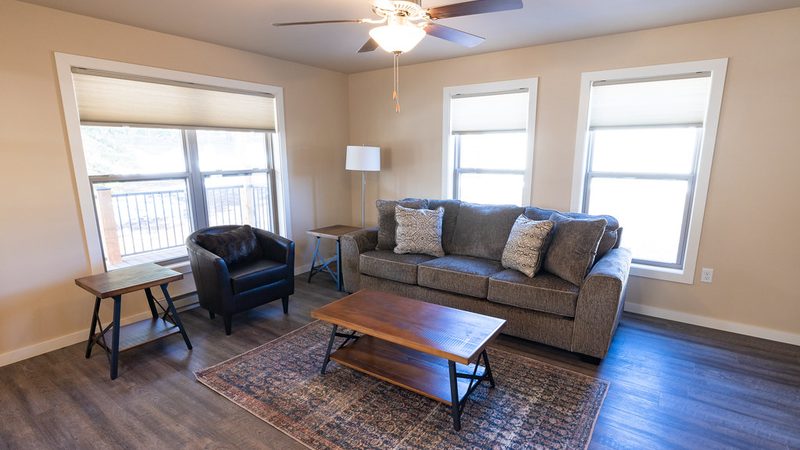
Light directly determines the perceived value of a space. While a dark and dim home looks small, old and gloomy, a well-lit home feels spacious, clean and inviting. For this reason, plan home viewings for daytime as much as possible, at the hours when natural light is strongest.
To maximize natural light, open the curtains fully and replace heavy and dark curtains with sheer voiles or light-colored fabrics. Remove large items blocking the front of windows. For artificial lighting, pay attention to these points:
- Replace all burnt-out bulbs and use bulbs of the same color temperature
- Add extra floor lamps or table lamps to dim corners
- Warm white light gives a warmer and more inviting feel in living areas
- Position mirrors opposite light sources to expand the space
The buyer forms a feeling about the home's future from the light they see. A bright space inspires confidence before a single question has even been asked.
5. First Impression: Entrance, Facade and Outdoor Space
The buyer's first impression of your home begins before they step inside, right at the front door. A neglected facade, a dirty stairwell or a messy garden makes for a negative start, no matter how beautiful the interior is. That is why you need to give the outdoor space as much care as the interior.
In an apartment, keep your entrance door, doormat and the area in front of the door tidy. In a detached house or villa, prune the garden and mow the lawn, gather the leaves and clean the entrance path. For apartments with a balcony, the balcony is perceived by the buyer as an extra living area.
- Clean the entrance door or paint it if necessary, and polish the door handle
- Create a lively and well-kept atmosphere in the garden and on the balcony with a few potted plants
- Present the balcony as a tidy corner to sit in
- Remove scrap, broken items and unnecessary storage from the outdoor area
6. Professional Photography and Listing Presentation
Today, almost all buyers review a home's listing online before visiting it. This makes the photographs the true showcase of your home. Dark, crooked and low-resolution phone photos make even the most beautiful home look ordinary and drive potential buyers away before they even click.
After preparing your property with the steps above, have a shoot done if possible with a professional photographer, at the hour when daylight is best. Wide-angle photos taken in the right light make a space look spacious. In the listing text, instead of vague expressions, clearly provide the concrete information the buyer is looking for, such as square meters, number of rooms, heating type, floor, frontage and location. An honest and complete presentation both builds trust and ensures that only genuinely interested buyers knock on your door.
7. Correct Pricing and Home Staging
On top of all this preparation come two factors that determine the fate of the sale: the right price and staging. A price higher than it should be keeps your home waiting in the listings for weeks or even months; and listings that cannot be sold for a long time create the perception in the buyer's eyes that "there is something wrong with it." The correct price range can only be determined with current comparable sales in your area and real demand data.
Home staging, that is, staging the home for sale, means arranging the space in a way that best shows its potential. An empty room makes it harder for the buyer to imagine the square meters and the use; a few correctly placed pieces of furniture, on the other hand, give the room function and scale. The aim is not exaggerated decoration but to convey clearly and invitingly what each room is for.
Quick Checklist for Sale Preparation
- All minor repairs completed (faucet, door, socket, crack)
- Home deep cleaned and excess items removed
- Personal photos and objects temporarily stored away
- Worn walls refreshed with neutral colors
- Curtains opened, burnt-out bulbs replaced
- Entrance, facade and garden/balcony tidied up
- Professional photos taken, listing text clarified
- A realistic price set based on comparables in the area
What to Avoid
As much as preparing for sale, it is also important to know which mistakes to avoid. Most property owners unknowingly make the sale harder with certain well-intentioned choices. The most frequently encountered mistakes are these:
- Overly personal decoration: Very bold colors, full shelves and personal collections prevent the buyer from imagining themselves in that home.
- Expensive and unnecessary renovation: Large kitchen or bathroom remodels done right before the sale often do not pay back their cost. Small touches with high visual impact are wiser.
- A price higher than it should be: A high price set by emotional value keeps the home waiting on the market and ultimately leads you to settle for lower offers.
- Hiding significant flaws: Concealed problems surface during the negotiation stage and damage trust. Transparency always delivers faster results.
Conclusion
Preparing your home for sale requires not big budgets, but the right priorities and careful preparation. Completing minor repairs, deep cleaning and decluttering, refreshing with neutral colors, strengthening the lighting, improving the first impression, professional photography and correct pricing; when all seven of these steps are applied together, they both increase your home's perceived value and noticeably shorten the time to sale.
If you want to plan all these steps in the right order and price according to the real market conditions in your area, working with an experienced consultant makes the process both safe and efficient. To sell your property at its value and on time, you can review our sales consultancy service and get in touch with us for your questions.